
Houston Water Damage Restoration
Flood Cleanup & Extraction in Houston, TX
Houston's subtropical climate and flat terrain make flooding a recurring threat. Whether it's a flash flood, bayou overflow, or storm surge, our crews mobilize heavy-duty truck-mounted extractors to remove thousands of gallons per hour. We follow up with antimicrobial treatments, structural drying, and moisture mapping to ensure no hidden pockets of water remain behind walls or under flooring.
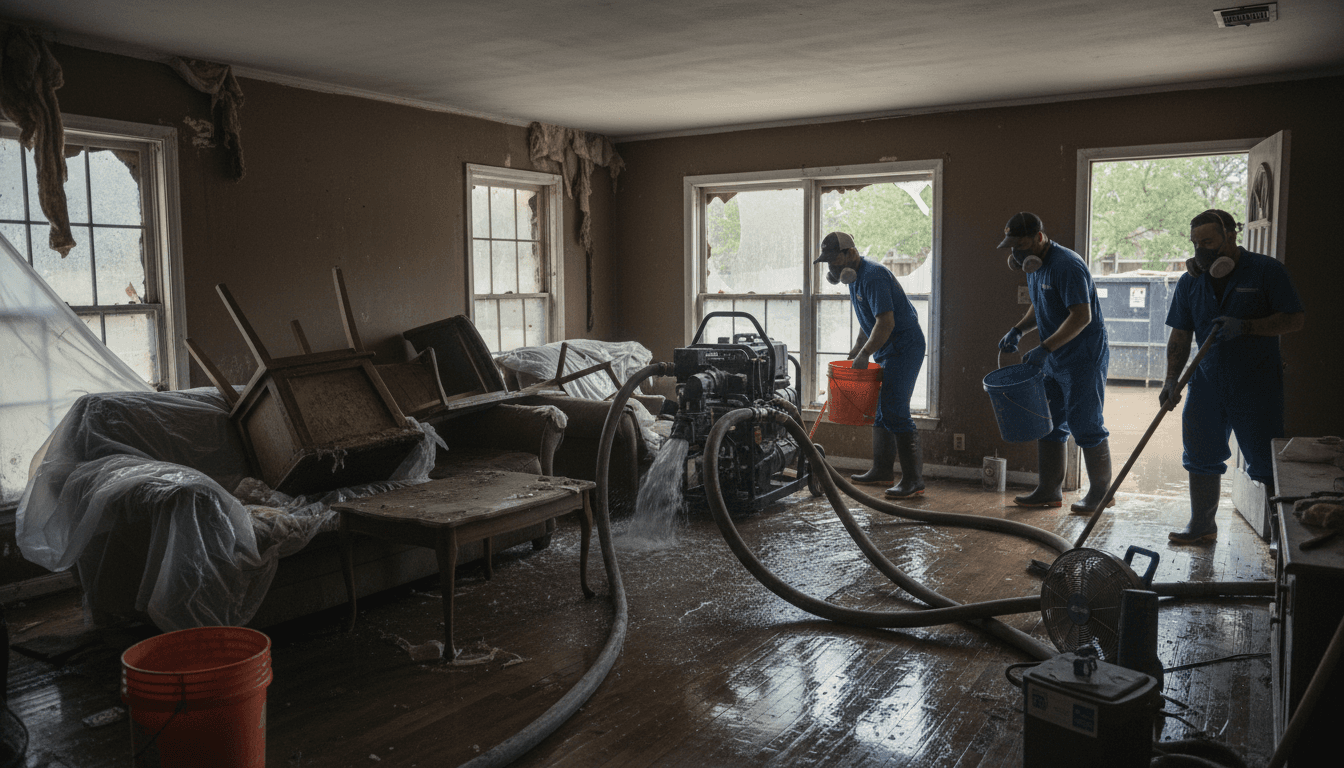
Houston is one of the most flood-prone major cities in the United States. The combination of flat terrain, clay soils, an extensive bayou network, and a subtropical climate that produces intense rainfall events means that flooding is not a matter of if — it is a matter of when. From Tropical Storm Allison in 2001 to Hurricane Harvey in 2017 and the severe flash floods that continue to strike neighborhoods across Harris County every spring and fall, Houston residents know the threat is real. Houston Water Damage Restoration provides rapid flood cleanup and water extraction services to homeowners and businesses across the Greater Houston metro, 24 hours a day, 365 days a year.
Houston's Unique Flood Risk
The Greater Houston area spans more than 10,000 square miles of coastal prairie that barely rises above sea level. Buffalo Bayou, Brays Bayou, Sims Bayou, Greens Bayou, White Oak Bayou, and Cypress Creek all wind through densely developed neighborhoods where impervious surfaces — parking lots, roads, rooftops — prevent rainwater from soaking into the ground. When a heavy thunderstorm drops four to six inches of rain in two hours, the bayous overtop their banks and water backs up through storm drains into streets, yards, and living rooms. Neighborhoods along Brays Bayou in Meyerland, along White Oak Bayou in the Heights, along Cypress Creek in Cypress and Spring, and throughout the Addicks and Barker reservoir zones know this pattern all too well. Even communities far from a bayou can flood when the city's aging storm sewer system cannot keep pace with the volume of rain.
Truck-Mounted Extraction and Rapid Response
When floodwater enters your home, the priority is removing it as fast as physically possible. Our fleet of truck-mounted extraction units can pump thousands of gallons per hour — far more than portable extractors alone. We stage equipment strategically to clear standing water from the lowest point of the structure first, then work systematically through each room. Once standing water is gone, we use weighted extraction tools to pull trapped moisture from carpet, pad, and upholstery before deploying industrial air movers and LGR dehumidifiers to begin the structural drying phase. For Houston flood events, we also apply antimicrobial treatments to all affected surfaces because floodwater is almost always classified as Category 3 — it has contacted the ground, storm drains, and potentially sewage, meaning it carries bacteria, viruses, and other contaminants that require disinfection.
Debris Removal and Content Cleaning
Floodwater does not just bring water — it brings mud, silt, debris, and contaminants. Once extraction and initial disinfection are complete, our crews remove flood-damaged materials including saturated drywall (typically cut at least 12 inches above the visible water line to account for wicking), waterlogged insulation, and unsalvageable carpet and pad. We clean and sanitize salvageable contents on-site or pack them out for professional cleaning and storage at our facility. Hard goods like furniture, appliances, and electronics are assessed individually. Soft goods like clothing, linens, and documents can often be restored through specialized cleaning processes. We maintain a complete inventory of every item handled for insurance documentation purposes.
Moisture Mapping and Structural Drying
After extraction and debris removal, the hidden moisture is what causes the most long-term damage. Our technicians create detailed moisture maps using pin-type and pinless meters to establish baseline readings in every affected room, wall cavity, and floor system. We monitor these readings daily, adjusting equipment placement to target stubborn pockets of moisture. In Houston's humid climate, simply opening windows will not dry a structure — the outdoor air often carries more moisture than the indoor air. Professional dehumidification is essential. We follow the IICRC S500 standard and do not close out a job until every reading falls within the acceptable range for the material type. This prevents mold growth and structural deterioration down the road.
Common Questions
Flood Cleanup & Extraction FAQ
What should I do immediately when my Houston home floods?
First, ensure everyone's safety — do not walk through standing water near electrical panels or outlets. Turn off electricity at the breaker if you can do so safely. Move valuables to higher ground. Then call us at (281) 326-6554. The sooner extraction begins, the more of your home and belongings we can save.
Is floodwater dangerous to my family's health?
Yes. Floodwater in Houston almost always qualifies as Category 3 (black water) because it has contacted the ground, storm drains, and potentially raw sewage. It can carry bacteria, viruses, parasites, and chemical contaminants. Do not attempt to clean up floodwater without proper protective equipment. Our crews wear full PPE and apply EPA-registered antimicrobials to all affected surfaces.
Does flood insurance cover the cleanup costs?
If you have a separate flood insurance policy (typically through the National Flood Insurance Program or a private carrier), it generally covers the cost of cleanup, drying, and rebuilding. Standard homeowners insurance does not cover flooding from external sources. We document all work in detail and can assist with your flood insurance claim.
How long does flood cleanup take for a typical Houston home?
For a home with several inches of standing water, extraction usually takes a day. Structural drying runs three to five days depending on the materials and extent of saturation. Full reconstruction — replacing drywall, flooring, and trim — can take an additional one to three weeks. We provide a timeline estimate after the initial assessment.
Can you help if my home flooded days ago and I am just now able to get help?
Absolutely. During major flood events in Houston, demand for restoration services surges and some homeowners wait days or even weeks before help arrives. While earlier intervention produces better outcomes, we can still extract remaining water, remove damaged materials, treat for mold, and fully restore the property. Call us and we will assess the situation honestly.
Need Flood Cleanup & Extraction in Houston?
Our Houston-based crews are standing by 24/7. One call starts the restoration process and stops the damage from getting worse.
(281) 326-6554